May 18, 2026

Session Tokens

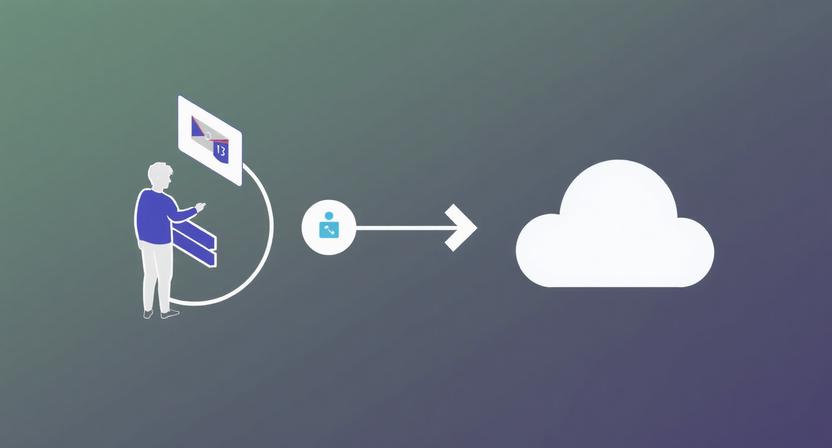
Modern cybersecurity threats have evolved beyond passwords and MFA, with attackers now targeting session tokens—the digital “all-access passes” stored in browsers after login. If hackers steal these tokens through malware, phishing, or malicious browser extensions, they can bypass MFA entirely and impersonate employees to access critical systems like Slack, AWS, or customer databases. For startups, this risk is especially dangerous because teams often use personal devices, maintain long session lifetimes, and grant broad admin privileges. To reduce exposure, companies should adopt identity-first security practices such as shorter session durations, device-bound authentication, hardware-backed passkeys, and continuous monitoring to detect suspicious activity before a breach escalates.

Session Tokens

Beyond MFA: Why Your Session Tokens are the New Password

Today, the battleground of startup security has shifted beneath our feet. For one thing, modern threat actors aren't wasting time guessing passwords; instead, they’ve engineered sophisticated bypasses to ignore your MFA prompts entirely. Consequently, they are hunting the "Golden Ticket" of the distributed workforce: the session token.

The security landscape is no longer about the perimeter; rather, it’s about the persistence of access. Here is why your session tokens are the new password and why your startup must evolve its defensive posture before your next compliance audit or enterprise deal.

Key Takeaways

  • The New Vulnerability: While MFA secures the initial handshake, sophisticated attackers now bypass it by harvesting session tokens directly from the endpoint browser. As a result, these tokens function as persistent digital keys, allowing an unauthorized party to impersonate a high-privilege user.
  • Audit the Risk Profile: High-growth startups represent prime targets primarily because engineering leads often hold sweeping administrative rights while working from personal, unmanaged hardware.
  • Harden Your Defenses: To mitigate this exposure, firms must drastically compress session lifetimes and enforce hardware-based validation. In doing so, they ensure tokens only execute on verified corporate assets.
  • Leverage Strategic Maturity: Ultimately, transitioning from basic identity checks to a "Zero-Trust" framework is now a prerequisite for closing enterprise contracts.

Defining the Digital Handshake: What is a Session Token?

To defend architecture, a startup team has to get the how behind modern web. First of all, you need to understand that the Internet is "stateless". Specifically, that is, every time you click a link or refresh the page: at that moment, the server forgets who you are, or that 5 seconds ago you'd just logged in as a user.

Without a permanent identifier, you would need to type your password + MFA code every time you did any action.

The Mechanics of Persistent Access

This led developers to the "session" answer. Upon successful authentication, the server creates a unique random string called a session token. This token is then sent to your browser and stored there, i.e., as a cookie. The token is "given" by your browser to the server with every single request until you remain active within this window. Essentially, it's a free-flowing ID that says to the server, "This is still Sarah, and she already has permission to be here."

The Vulnerability of the "All-Access Pass"

However, this token is designed to be convenient and persistent, making it a target of opportunity. A token is a proof of something that you have (in contrast to a password, which you know as a secret). This means if an attacker copies that particular string of data from local storage for your browser, they do not have to know what the password is, nor intercept your phone. But instead, it just impersonates you by presenting stolen session tokens.

The Illusion of the "MFA Shield"

For years, the security industry viewed Multi-Factor Authentication as an impenetrable defense. This was based on the logic that physical access to a phone or biometric was a non-negotiable barrier for hackers. Nevertheless, several factors have changed this reality:

  • The SaaS Workflow Gap: As startups pivoted to browser-based, SaaS-heavy environments, the traditional "set it and forget it" security mentality created a massive blind spot in session persistence.
  • The Verification Loophole: For instance, when you authenticate into platforms like Slack or Jira, the system verifies your MFA once but then issues a digital identifier to avoid re-prompting you for every subsequent action.
  • The Digital All-Access Pass: Consequently, these tokens, typically stored as cookies, serve as a continuous identity claim that allows users—or anyone who steals the token—to bypass MFA checks entirely for the remainder of the token's life.

The Rise of "Session Hijacking"

If a hacker can’t get your MFA code, they simply wait until after you’ve already provided it. Specifically, through sophisticated phishing or "infostealer" malware, attackers can now reach into an employee’s browser and copy those credentials. Next, they "inject" those tokens into their own browser. To the SaaS platform, the hacker’s browser looks identical to the employee’s browser. Thus, the hacker is instantly logged in—no password required, and no MFA prompt triggered.

For a startup, this is a nightmare scenario. Consider a case where an engineer has their personal laptop compromised by a malicious browser extension; suddenly, the attacker has the session token for the company’s production AWS environment.

Critical Vectors of Exploitation

  • "Pass-the-Cookie" Attacks:  This can be accomplished by infostealer malware on a local browser to steal active tokens from the cookie jar and use them for session replication at any remote machine without actually logging in.
  • Adversary-in-the-Middle (AiTM) Phishing:  In real-time, intercept the authentication flow by using proxy tools such as Evilginx, where the attacker gets the client challenge and both the password + token in conjunction to issue from the Auth service.
  • Malicious Extensions: Via a malicious ("productivity") extension that injects scripts into the browser to operate in the background, scraping and exfiltrating tokens silently from every single tab.
  • Side-Jacking on Unsecured Networks: Stealing unencrypted session identifiers over public Wi-Fi, compromising internal networks (side-jacking) by sniffing the active handshake before it reaches the destination server.

Why Startups are the Primary Targets

Imagine your startup just hit a major milestone. You’ve implemented MFA across every single app—Slack, GitHub, AWS, and your CRM. Furthermore, you’ve told your investors that your perimeter is secure. But while you’re patting yourself on the back for closing the front door, the back window is wide open.

In fact, bad actors love startups for three specific reasons:

  1. High-Privilege Friction: In a 20-person startup, almost everyone has "Admin" or "Owner" access to something critical; hence, stealing one token from a founding engineer is often a "Game Over" event.
  2. The BYOD Culture: Startups often allow employees to work from personal laptops that lack enterprise-grade protection. As a result, these devices are more vulnerable to infostealers grabbing browser cookies.
  3. Long Session Lifetimes: To avoid "annoying" their team, many founders set their session timeouts to 30 days or even "Indefinite." Unfortunately, this means a stolen token is a gift that keeps on giving.

The Anatomy of a Token Theft

Let’s look at how this actually happens in a modern startup environment. Take, for example, "Sarah," a marketing lead at a Series A fintech startup. Sarah is diligent; she uses a password manager and has MFA enabled on everything. However, one afternoon, she receives a convincing email about a new industry report. She clicks a link that leads to a slightly suspicious site, which silently downloads a tiny piece of malware—an "infostealer."

This malware doesn't look for her passwords. Instead, it heads straight for the Cookies folder in her Chrome profile. Following this, it zips up the session tokens for her Gmail, Slack, and HubSpot instance. Ten minutes later, an attacker in another country has imported those cookies. 

When they open Slack, they don't need Sarah's password or her phone for a push notification. They are simply in. From there, they can read private channels, download sensitive customer data, or find API keys pinned in a "Dev" channel.

Beyond MFA: How to Protect Your Startup

If MFA is no longer enough, what is? Moving "Beyond MFA" doesn't mean getting rid of it; rather, it means layering defenses that acknowledge the reality of session theft. At Sentant, we advise our clients to move toward an Identity-First security posture:

  • Shorten Session Durations: Terminate "Forever Tokens" immediately. By shrinking the "Window of Opportunity," a stolen cookie becomes useless in 8 hours instead of 8 days.
  • Implement Device Binding: Require that a session token only functions if used on a managed, encrypted device verified by your Identity Provider (Okta, Google, or JumpCloud).
  • Deploy Hardware-Bound Passkeys: Utilize WebAuthn protocols to bind authentication to specific hardware, thereby making it nearly impossible for a phishing site to intercept the handshake.
  • Monitor for Impossible Travel: Audit your logs for alerts where, for instance, a token is used in San Francisco at 9:00 AM and then appears in Eastern Europe at 9:05 AM.
  • Adopt Continuous Access Evaluation: Implement real-time monitoring that can revoke active tokens the moment a device's risk profile changes.

The Cultural Shift: A Competitive Advantage

For many founders, this sounds like "more friction." Nevertheless, in 2026, security is no longer just a checkbox for your SOC2 audit; it’s a requirement for enterprise sales. When you sit down with a Fortune 500 customer, their CISO is going to ask: "How do you protect your active sessions?"

Being able to answer those questions confidently doesn't just protect your data; moreover, it accelerates your deal cycles. It shows that you aren't just a "scrappy startup," but instead, a mature organization that understands the modern threat landscape.

How Sentant Helps

At Sentant, we specialize in helping high-growth startups build these "Next-Gen" security foundations without slowing down their engineering teams. Rather than just giving you a list of problems, we help you implement the tools—from MDM to Zero-Trust networking—that make session hijacking a non-issue.

The "Password" era is over. The "MFA-Only" era is ending. Now, it’s time to secure your sessions, protect your session tokens, and build a startup that is truly resilient.

Frequently Asked Questions

Q: If I have MFA enabled, can my accounts still be hacked?

A: Yes. However, MFA does not protect against "Session Hijacking". MFA. When you log in to a service, they give your browser a session token. Now, an attacker who has stolen that token can use it anywhere on the Internet and is able to gain access without any MFA device ever being present.

Q: How do hackers actually steal tokens from my employees?

A: The most common method is through "Infostealer" malware. Typically, this is hidden in suspicious browser extensions. Once installed, it silently copies the Cookies folder and sends those active tokens to the attacker’s server.

Q: Can I simply enable a VPN to prevent token stealing?

A: Not effectively. While a VPN encrypts your data during transit on the internet, it does not secure what is in files that are left at rest on your computer. No matter the VPN, if malware is on a laptop, an attacker can take over local browser token storage.

Q: Why is "Session Hijacking" suddenly such a big deal?

A: As more companies move toward passwordless logins, attackers have realized it is much harder to break a login than it is to steal a token after the login is complete. In fact, research shows that over 85% of successful breaches now involve session hijacking.

Q: What is the most effective way to protect a startup from token theft?

A: The gold standard is Device Binding. This means that a session token can be cryptographically "locked" to a specific, governed company laptop. So if an attacker, for instance, on their own machine, used a stolen token, the service would detect that mismatch and automatically kill the session.

Will Pizzano, CISM is Founder of Sentant, a managed security and IT services provider that has helped dozens of companies achieve SOC 2 compliance. If you’re interested in help obtaining SOC 2 compliance, contact us.

blog

Latest Insights and Trends

Explore our latest blog posts for valuable insights.

Session Tokens

Modern cybersecurity threats have evolved beyond passwords and MFA, with attackers now targeting session tokens—the digital “all-access passes” stored in browsers after login. If hackers steal these tokens through malware, phishing, or malicious browser extensions, they can bypass MFA entirely and impersonate employees to access critical systems like Slack, AWS, or customer databases. For startups, this risk is especially dangerous because teams often use personal devices, maintain long session lifetimes, and grant broad admin privileges. To reduce exposure, companies should adopt identity-first security practices such as shorter session durations, device-bound authentication, hardware-backed passkeys, and continuous monitoring to detect suspicious activity before a breach escalates.

Best Cybersecurity Practices for Startups

Startups in 2026 face growing cyber threats, making strong security practices essential for protecting sensitive data, maintaining customer trust, and supporting business growth. Key cybersecurity strategies include using multi-factor authentication, Zero Trust security, endpoint detection tools, automated backups, employee security training, and continuous monitoring to reduce risks from phishing, ransomware, and human error. Sentant helps startups build scalable, security-first environments with managed protection, compliance support, and proactive threat monitoring designed for fast-growing companies.

Startup IT Infrastructure

A strong startup IT infrastructure is essential for scaling efficiently, protecting data, and avoiding costly downtime as a company grows. By using cloud-first systems, standardized hardware, proactive security measures, and automated workflows, startups can improve collaboration, strengthen cybersecurity, and support rapid expansion without technical bottlenecks. Investing in reliable IT infrastructure early helps reduce technical debt, protect intellectual property, and keep teams productive as the business scales.

Remote IT Support for VC Firms

Remote IT support for VC firms ensures secure, fast, and reliable access to critical systems and sensitive investment data while enabling teams to work efficiently from anywhere. It provides enterprise-level cybersecurity, cloud management, and compliance support without the cost of building a full in-house IT team. This helps firms reduce downtime, prevent data breaches, and maintain a competitive edge in high-speed deal environments.

zero-trust architecture

This guide explains why startups should move from traditional VPNs to Zero-Trust Architecture (ZTA) to improve security and scalability. Unlike VPNs that grant broad access once logged in, Zero-Trust continuously verifies users and devices, limits access with least-privilege rules, and prevents hackers from moving across systems if credentials are compromised. By adopting a phased transition to Zero-Trust, startups can enhance security, support remote teams, simplify compliance, and maintain productivity without the limitations of outdated VPN setups.

AI Data Security

AI data security is essential for startups because modern AI systems handle dynamic data, models, and user interactions that can easily expose sensitive information if not properly protected. Key practices include minimizing and sanitizing data before training, encrypting model weights, securing RAG pipelines, and using guardrails like prompt filtering and output monitoring to prevent leaks or attacks. By building security into the AI lifecycle early, startups can protect intellectual property, meet compliance requirements, and gain the trust needed to scale and win enterprise clients.

Cybersecurity Services for Healthcare in Los Angeles

Cybersecurity services for healthcare in Los Angeles are essential to protect sensitive patient data, maintain operations, and meet strict regulations like HIPAA. Medical organizations face constant threats such as ransomware and phishing, requiring advanced solutions like 24/7 monitoring, encryption, multi-factor authentication, and secure backups. By using managed security services, providers can reduce risk, ensure compliance, and focus on patient care while experts handle ongoing protection and threat response.

Austin TX Cybersecurity Company

A local Austin, TX cybersecurity company provides proactive, multi-layered protection—like 24/7 monitoring, threat hunting, and compliance support—to defend businesses from rapidly evolving cyber threats. Their on-site presence, fast incident response, and understanding of local regulations make them far more effective than generic providers. By partnering with a specialized local firm, businesses can reduce risk, maintain uptime, and build a secure foundation that scales with growth.

Cybersecurity Companies Los Angeles

Cybersecurity companies in Los Angeles provide essential protection against evolving threats like ransomware and phishing by offering proactive, 24/7 monitoring, encryption, and compliance support. Costs vary based on business size and complexity, but managed services offer scalable, predictable pricing that’s far lower than the cost of a breach. Choosing a local, experienced provider ensures faster response times, tailored solutions, and stronger long-term security for your business.

What to Know About IT Services for Venture Capital Firms

IT services for venture capital firms focus on building secure, scalable, and always-on infrastructure to protect sensitive data and keep deal flow moving without disruption. By adopting zero-trust security, compliance-ready cloud systems, and robust disaster recovery, firms reduce risk while enabling fast, seamless collaboration. A proactive, managed IT approach ensures operational resilience, minimizes downtime, and turns technology into a competitive advantage rather than a liability.

Managed IT Provider for Your Startup

Choosing a managed IT provider for your startup means finding a strategic partner that ensures security, scalability, and fast support while you focus on growth. Startups should assess their needs, prioritize providers with strong cybersecurity (like MFA and compliance readiness), and ensure they can scale بسرعة with hiring and operations. The right provider reduces downtime, prevents costly tech issues, and supports long-term growth with proactive, startup-focused solutions.

Why Cybersecurity Is Important for Startups

Learn why cybersecurity is important for startups. Protect data, prevent breaches, and secure your business from costly cyber threats.

Managed IT Services for Venture Capital

Managed IT services for venture capital firms provide specialized, proactive technology support that safeguards sensitive investor data, ensures regulatory compliance, and maintains seamless operations during critical deal-making periods. By leveraging enterprise-grade cybersecurity, automated cloud workflows, and rapid employee onboarding, firms reduce risk, increase operational efficiency, and scale effortlessly without IT bottlenecks. Partnering with a dedicated provider like Sentant turns technology from a potential liability into a strategic advantage that protects both reputation and deal flow.

IT Support Strategies for Startups

Startups often lose valuable time and money when founders or employees handle IT issues themselves, especially as teams grow. Implementing scalable IT support—such as a centralized helpdesk, structured onboarding/offboarding, and essential cybersecurity tools like MFA and password managers—helps maintain productivity, security, and smooth operations. Many startups benefit from managed IT services, which provide proactive monitoring and predictable monthly costs instead of reactive, expensive “break-fix” repairs.

Cybersecurity: What Startups Should Know

Cybersecurity is critical for startups because they are common targets for cybercriminals due to valuable data and often weak security defenses. A single breach can cause severe financial losses, legal issues, and reputational damage that many startups cannot recover from. To reduce risks, startups should adopt proactive security practices such as two-factor authentication, encryption, regular backups, employee training, and a clear incident response plan.

Importance of Managed IT Services for Startups

Managed IT services are essential for startups because they provide a secure, scalable technology foundation without the high cost of building an in-house IT team. By outsourcing IT management, startups gain predictable costs, stronger cybersecurity, and access to expert support while avoiding technical debt and infrastructure issues during rapid growth. This allows founders to focus on product development and scaling the business while reliable systems and proactive monitoring keep operations running smoothly.

IT Support for Small Business Startups

his guide explains why IT support for small business startups is a strategic growth driver, not just a break-fix utility. A strong, security-first IT foundation—built on cloud scalability, zero-trust security, and automated onboarding—prevents technical debt, reduces risk, and keeps teams productive as they scale. By using managed IT services instead of DIY setups or early in-house hires, startups gain enterprise-level expertise, stronger cybersecurity, and the freedom to focus on building products and growing the business.

Why Startups Need CyberSecurity

Cybersecurity is a strategic necessity for startups because early-stage companies often hold valuable intellectual property and customer data while operating with limited defenses. A single breach can trigger financial losses, operational shutdowns, and irreversible reputational damage that many startups cannot survive. By adopting basic security practices early—such as multi-factor authentication, least-privilege access, employee training, and incident response planning—startups turn security into a competitive advantage that protects growth, builds trust, and strengthens investor confidence.

Why Startups Are Turning to Managed IT Services

Startups are turning to managed IT services because they offer expert support, strong security, and scalable infrastructure at a predictable monthly cost. This model eliminates the expense of in-house IT teams while allowing startups to quickly add users, tools, and locations without disruption. By outsourcing IT to providers like Sentant, founders reduce risk, improve cybersecurity, and stay focused on growth, product development, and customers rather than daily technical issues.

Best IT Support Company for Startups

The best IT support company for startups provides scalable services, fast response times, clear pricing, and strong cybersecurity to reduce downtime and support rapid growth. Outsourced IT support helps startups avoid the high cost of in-house teams while ensuring reliable systems, secure cloud access, and proactive maintenance. Sentant stands out by offering startup-focused, flexible IT solutions that grow with the business and allow founders to focus on strategy instead of technical issues.

Tips and Best Practices about Cybersecurity for Startups

Cybersecurity is critical for startups because rapid growth and limited resources make them attractive targets for cyberattacks that can damage data, operations, and trust. This guide outlines practical best practices—such as securing the attack surface, using least-privilege access, monitoring threats, encrypting and backing up data, and training employees—to reduce risk without overspending. By making smart, scalable security investments early, startups can protect their assets, meet compliance needs, and grow with confidence.

Beginner's Guide To Managed IT Services For Startups

Managed IT Services give startups and growing businesses affordable, expert IT support without the cost of building an in-house team. By outsourcing tasks like network monitoring, cybersecurity, cloud management, and data backup, companies reduce downtime, improve security, and keep IT costs predictable. Working with a scalable provider like Sentant allows startups to focus on growth and innovation while ensuring their technology stays secure, reliable, and ready to expand.

How to Choose IT Support for Startups

This guide explains how startups can choose the right IT support by first assessing their current and future technology needs, then matching them with scalable services like managed IT, cloud solutions, cybersecurity, and help desk support. It outlines key selection criteria such as startup experience, service breadth, responsiveness, pricing models, security, and compliance. Overall, the content emphasizes that a proactive, flexible IT partner helps reduce risk, prevent downtime, and support sustainable growth as the business scales.

Cybersecurity Solutions for Startups

Affordable cybersecurity for startups focuses on using simple, low-cost tools—like password managers, two-factor authentication, and cloud security—to block the most common threats. Training employees, keeping systems patched, and backing up data regularly help prevent downtime and protect sensitive information. By starting small and building smart habits, startups can safeguard their business without needing large budgets or full-time IT teams.

Startup IT Issues

This guide explains the top startup IT issues—from cybersecurity and backups to scalability, hardware, and budgeting—and offers practical fixes to keep teams productive and secure. By planning early and using the right tools or managed services like Sentant, startups can avoid costly disruptions and focus on growth.

Costs of DIY IT in Startups

DIY IT often costs startups more than it seems by draining founder time, causing productivity-killing tech delays, and increasing the risk of outages or data breaches. Managed services replace unpredictable emergencies with a steady monthly cost, proactive monitoring, and stronger security, which boosts employee performance and supports smoother scaling. The piece positions Sentant as a partner that takes day-to-day IT off your plate so you can focus on growth and revenue.

Cyber Threats Targeting Startups

Startups face major cyber risks like phishing, ransomware, insider threats, weak access controls, and cloud misconfigurations, which can quickly disrupt growth and damage trust. The content emphasizes proactive defenses—employee training, strong identity controls, backups, monitoring, and secure cloud setup—to stop attacks before they cause harm. Sentant positions itself as a startup-focused partner offering managed tools, security expertise, and vCISO leadership to help companies scale safely without building an in-house security team.

Sentant IT and Security Alignment

Aligning IT and security breaks down silos, embeds protection into every technology decision, and helps organizations reduce risk while moving faster and more efficiently. When both teams share goals, governance, and processes, cybersecurity shifts from a reactive cost center to a business enabler that supports innovation, uptime, and compliance. Sentant emphasizes practical alignment through integrated tools, shared metrics, and a security-first culture that creates a safer, smarter digital environment.

What Is Required for SOC 2 Compliance

SOC 2 compliance means scoping the systems and processes that handle customer data, implementing controls aligned to the AICPA Trust Services Criteria (Security is mandatory, others optional), and consistently collecting evidence that those controls work in practice. Type I checks control design at a point in time, while Type II verifies they operate effectively over months, which most enterprise buyers prefer. Sentant positions itself as helping teams right-size scope, implement controls, and stay audit-ready without chaos.

The Beginner's Guide to IT Managed Services for Start ups

Managed IT services help startups outsource tech needs for a predictable monthly cost, getting 24/7 support, proactive monitoring, and stronger cybersecurity without building a full in-house team. This brings lower costs, faster issue resolution, and scalable IT systems, typically covering network and cloud management, backups, disaster recovery, and automatic updates plus expert guidance. Overall, an MSP lets founders stay focused on growing the business, with providers like Sentant highlighting startup-friendly, scalable support and strategic IT planning.

How Do You Handle Cybersecurity for a Startup

Startups can’t afford to neglect cybersecurity—one breach can devastate finances, reputation, and investor confidence. By establishing early security measures such as access control, encryption, employee training, and response plans, startups can protect data while staying agile. Sentant helps startups design scalable, cost-effective cybersecurity strategies that safeguard growth, ensure compliance, and prevent costly incidents.

What are SOC 2 Compliance Requirements

SOC 2 compliance is a security framework that verifies a company’s ability to protect customer data through five Trust Services Criteria: security, availability, confidentiality, processing integrity, and privacy. It requires independent audits to assess an organization’s controls, with Type 1 evaluating them at a single point and Type 2 measuring their effectiveness over time. Sentant simplifies this process through automation—streamlining evidence collection, integrations, and audits to help businesses achieve compliance faster and strengthen trust with customers.

What Is a vCISO

A vCISO (Virtual Chief Information Security Officer) is a part-time or on-demand security expert who helps startups build and manage their cybersecurity strategies without the high cost of a full-time CISO. They strengthen data protection, ensure compliance, and build investor and customer trust while aligning security with business growth. For startups handling sensitive data or seeking funding, a vCISO provides scalable, expert guidance that enables safe and confident expansion.

Essential IT Services for Small Business

IT services are vital for small businesses to stay productive, secure, and cost-efficient without needing an in-house IT team. Managed service providers offer proactive maintenance, remote support, and strong cybersecurity to prevent downtime and data breaches. Outsourcing IT enables small businesses to scale affordably while leveraging advanced technology and expert support.

IT Companies in Southern California

Sentant is a top IT company in Southern California that provides cybersecurity-first managed IT, cloud, and compliance solutions. They stand out for their fast, transparent, and locally informed support that prioritizes prevention, protection, and partnership. With scalable, tailored services, Sentant helps businesses across industries stay secure, compliant, and efficient while enabling growth.

Sentant Combine IT, Security, and Compliance for Startups

Denver’s growing tech scene has led to rising cyber risks, making it crucial for businesses to partner with a trusted cybersecurity provider. Sentant stands out by offering proactive monitoring, tailored solutions, compliance support, and 24/7 protection, all while leveraging local knowledge of Colorado’s regulatory environment. With decades of expertise and a reputation for reliability, Sentant provides long-term strategies that scale with businesses, positioning itself as a trusted cybersecurity partner for startups, mid-sized firms, and enterprises in Denver.

Cyber Security Companies in Denver

Denver’s growing tech scene has led to rising cyber risks, making it crucial for businesses to partner with a trusted cybersecurity provider. Sentant stands out by offering proactive monitoring, tailored solutions, compliance support, and 24/7 protection, all while leveraging local knowledge of Colorado’s regulatory environment. With decades of expertise and a reputation for reliability, Sentant provides long-term strategies that scale with businesses, positioning itself as a trusted cybersecurity partner for startups, mid-sized firms, and enterprises in Denver.

vCISO Service

A vCISO (Virtual Chief Information Security Officer) service offers companies executive-level cybersecurity leadership at a fraction of the cost of hiring a full-time CISO, making it especially valuable for startups and mid-sized businesses. While large enterprises or highly regulated industries may still require a dedicated in-house CISO, vCISOs provide scalable expertise, compliance guidance, risk management, and strategic oversight tailored to business needs. Ultimately, the choice depends on organizational size and complexity, but for many companies, a vCISO delivers equal or greater value by combining flexibility, breadth of knowledge, and cost efficiency.

SOC 2 Compliance for Startups

SOC 2 compliance is becoming essential for startups by 2025 as it builds customer trust, protects sensitive data, and demonstrates a company’s commitment to strong security practices. Achieving compliance requires rigorous preparation, including gap analysis, implementing security controls, gathering evidence, and working with accredited auditors, but it provides lasting benefits like resilience against cyber threats, easier scaling, and investor confidence. With expert guidance, such as from Sentant, startups can streamline the process and maintain continuous compliance to stay secure, competitive, and ready for growth.

Remote IT Support

Remote IT support helps startups stay productive by offering 24/7 availability, quick responses, proactive monitoring, and scalable low-cost solutions that eliminate the need for in-house IT teams. It strengthens cybersecurity with constant threat monitoring, regular updates, and employee training while also improving collaboration and remote work efficiency through optimized tools and integrated communication platforms. By outsourcing IT tasks, startups can focus on core business growth and innovation, gaining a competitive edge without being burdened by technical issues.

Managed IT Services

Managed IT services allow startups to scale faster by offloading IT tasks like device management, security, compliance, and onboarding to a specialized provider, freeing founders to focus on growth. They offer predictable costs, elastic capacity, and proactive monitoring to reduce outages while providing built-in security and compliance support from the start. This flexible model ensures smooth onboarding, standardized systems, and stronger resilience—helping startups stay productive and secure without building a full IT department too early.

Six Reasons Every SMB Needs A vCISO

A Virtual Chief Information Security Officer (vCISO) gives SMBs affordable, on-demand access to cybersecurity leadership and expertise without the high cost of hiring a full-time CISO. Unlike traditional CISOs, vCISOs provide flexible strategic guidance, regulatory compliance support, and access to specialist teams, helping businesses manage evolving cyber risks quickly and effectively. With benefits like lower costs, faster implementation, industry expertise, and alignment with security frameworks, vCISOs have become essential for SMBs seeking strong cybersecurity and compliance while focusing on core operations.

How to Prepare for a SOC 2 Audit

A SOC 2 audit evaluates how well a company safeguards customer data across five key areas—security, availability, processing integrity, confidentiality, and privacy—using real-world practices instead of a rigid checklist. Preparing involves narrowing the audit scope, running a gap analysis, updating policies, training staff, and conducting mock audits to avoid surprises and ensure smoother compliance. Being SOC 2 audit-ready builds trust with clients, speeds up business deals, and sets a foundation for future certifications like HIPAA or ISO 27001.

Proactive Cybersecurity Strategy for Your Organization

Cybersecurity is no longer optional, urging businesses of all sizes to adopt a proactive strategy instead of reacting after an incident. It provides a practical roadmap that includes identifying assets, addressing vulnerabilities, setting clear policies, training staff, and applying layered defenses guided by principles like zero trust and least privilege. Sentant supports organizations by simplifying policies, monitoring risks, ensuring compliance, and evolving strategies to strengthen security and client trust.

Outsourced IT Services

Outsourced IT services let growing companies access expert tech support without the cost or delays of hiring a full internal team. Sentant integrates directly into your workflow, providing 24/7 monitoring, cybersecurity, compliance readiness, and flexible scaling so your team can focus on growth. With fast, embedded support and transparent pricing, Sentant helps businesses run smoothly, innovate faster, and stay secure.

What Is SOC 2 Compliance and Why Does Your Business Need It?

SOC 2 Compliance is a crucial framework for businesses that handle customer data, especially in tech and cloud services, as it builds client trust and helps unlock larger deals. While not legally required, many clients demand it, making it a strategic necessity rather than a luxury. Sentant simplifies the complex compliance process by tailoring it to your business and supporting you every step of the way, ensuring you're not just compliant—but credible.

The Role of IT in Creating a Great Remote Work Culture

Remote work thrives on more than flexibility—it relies on a strong IT backbone. From secure infrastructure to seamless communication and tech support, IT ensures remote teams stay productive, connected, and protected. Sentant helps businesses build smarter, safer IT systems that make remote work smooth and stress-free.

Managed IT Services vs. In-House IT: Which Is Right for You?

Managed IT services offer cost savings, 24/7 support, and access to specialists, making them ideal for businesses looking to scale quickly without hiring a full tech team. In contrast, in-house IT teams provide more control, faster on-site response, and tailored solutions, but often come with higher costs and hiring challenges. Choosing between the two depends on your business size, goals, and technical needs—with some companies benefiting most from a hybrid approach.

5 Signs Your Business Needs a Professional IT Services Provider

If your business is experiencing recurring IT issues, unpredictable tech costs, or lacks strategic tech guidance, it may be time to bring in expert support. Sentant offers managed IT services tailored for fast-growing teams—covering helpdesk support, cybersecurity, compliance, and long-term planning. With flat-rate pricing and human-first service, they help small businesses stay secure, scale smoothly, and focus on growth without the tech headaches.

What Does SOC 2 Compliance Mean?

SOC 2 compliance is a cybersecurity framework that helps businesses—especially in tech and SaaS—demonstrate strong data protection practices through five Trust Service Principles: security, availability, processing integrity, confidentiality, and privacy. It boosts customer trust, strengthens internal security, and supports other regulatory standards like GDPR and HIPAA. By choosing between SOC 2 Type 1 and Type 2, companies can prove they not only have strong policies in place but also follow them consistently to safeguard sensitive information.

Qualities of Best IT Companies in California

When choosing an IT company in California, it's essential to find a provider that offers customized support, proactive solutions, and strong client relationships. Top IT firms prioritize transparency, continuous learning, and efficient service delivery while maintaining a strong reputation and community involvement. Sentant exemplifies these qualities, making it a standout choice for businesses seeking dependable and forward-thinking IT support.

What Is Cybersecurity as a Service

Cybersecurity-as-a-Service (CSaaS) is a cloud-based solution that allows businesses to outsource their cybersecurity needs to expert providers, offering around-the-clock protection without the cost of building an in-house security team. It includes essential components like network, data, and endpoint security, along with managed detection and response (MDR). CSaaS is a cost-effective, scalable alternative to traditional cybersecurity, especially for small and mid-sized businesses that lack the resources to maintain full-time security operations.

Top 10 Cybersecurity Threats Facing Small Businesses in 2025

The Hidden Costs of a Cyberattack And How to Prevent Them

Cyberattacks can cripple small businesses not just through immediate damage, but through long-term consequences like lost trust, reduced revenue, and increased costs. Hidden impacts—such as downtime, regulatory penalties, and team morale—often hit harder than the attack itself. Sentant helps prevent these outcomes with tailored, human-first cybersecurity solutions that protect without disrupting your day-to-day operations.

How Long Does It Take to Get SOC 2 Compliance?

Achieving SOC 2 compliance can take anywhere from 2 to 12+ months depending on your organization's security maturity and the type of report — Type 1 (faster) or Type 2 (more comprehensive). Type 1 typically takes 2–4 months, while Type 2, which requires a longer observation window, can take 6–12 months or more. With the right preparation, documentation, and expert support like Sentant’s, businesses can streamline the process and build trust with customers more efficiently.

Home WiFi Devices Roundup

In a perfectly connected world, the network should be fast, reliable and everywhere it’s needed. More now than ever, this means your home network needs some love and attention if it’s not up-to-snuff. Let’s look at the considerations that influence the way Sentant deploys networks in residences and at some of the best systems to deploy

5 Ways to Secure Zoom for Business

If you’re reading this, chances are you’ve been asked by a customer or business partner for your company to become SOC2-compliant. Along the way, you’ve probably heard about the differences between Type I and II, or wondered what Trust Principles you’ll need, and how much it’ll all cost. This article hopes to quickly answer all of those questions.

What’s the difference between SOC 2 Type I and II?

If you’re reading this, chances are you’ve been asked by a customer or business partner for your company to become SOC2-compliant. Along the way, you’ve probably heard about the differences between Type I and II, or wondered what Trust Principles you’ll need, and how much it’ll all cost. This article hopes to quickly answer all of those questions.